
Three Ways Fresh Top Soil Revives Tired Flower Beds
Three Ways Fresh Top Soil Revives Your Flower Beds
After a few years, your flower beds can begin to look dull as the soil is stripped of nutrients. Bloms shrink, color fades, and the soil turns to dust. However, the fix might be simpler than you think. GreyStone Landscape Products offers fresh topsoil for gardens throughout Ogden, UT and the surrounding communities. Whether you’re a homeowner refreshing your front yard or a landscaping professional working on a client’s project, you can always count on us for high-quality topsoil that can breathe new life into your gardens.
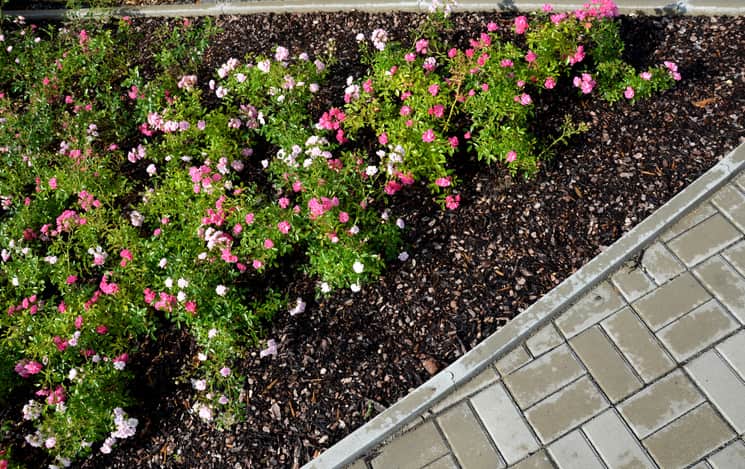
Why Do I Need Fresh Topsoil for My Gardens?
Topsoil is the upper layer of earth, usually the first 5 to 12 inches, where most plant roots live and feed. It’s packed with organic matter, minerals, and microorganisms that plants depend on to grow. Over time, this layer gets depleted. Rain washes away nutrients, roots use up what’s left, and foot traffic compacts the soil until water and air can’t move through it. Adding new topsoil to your existing garden beds offers a wide range of aesthetic and nutritional benefits for your landscape.
Three Ways Fresh Top Soil Revives Tired Flower Beds
- Restores Lost Nutrients – Every season, your shrubs, trees, and flowers pull vital nutrients from the ground. When those run low, growth slows, and blooms suffer. Adding topsoil for flower beds replenishes these essential nutrients, feeding your plants from the roots up. When you add new topsoil to your gardens, you’ll notice stronger stems, greener leaves, and fuller blooms.
- Improves Soil Structure – Compacted, clay-heavy soil suffocates roots and traps water. Sandy soil, on the other hand, drains too fast and leaves plants thirsty. Fresh topsoil helps improve garden soil quality by balancing texture and creating the loose, crumbly structure roots love. By improving soil structure, plants will enjoy better drainage, more airflow, and healthier root systems.
- Boost Soil Microbes – Healthy soil is teeming with bacteria, fungi, and earthworms that help break down organic matter and replenish nutrients. Unfortunately, old topsoil often lacks this kind of activity. Adding a layer of nutrient-rich topsoil reintroduces beneficial organisms, helping keep your garden flourishing.
Common Mistakes to Avoid When Placing Top Soil
Laying down fresh topsoil won’t improve your garden unless you take the necessary steps to get the most from it. Whether you’re DIY-ing a landscaping project or a professional, it’s essential you take care to avoid these common mistakes:
- Adding Too Thin a Layer – You need at least two to three inches for noticeable results.
- Skipping the Prep Work – Loosen the existing soil first so the new layer blends in rather than sitting on top.
- Choosing Low-Quality Soil – At GreyStone Landscape Products, we offer high-quality topsoil for all your landscaping needs.
- Ignoring Drainage Issues – You must correct any drainage issues before laying down new soil to prevent erosion.
Understanding the Difference Between Topsoil, Compost, and Garden Soil
For some, compost, topsoil, and garden soil are used interchangeably. However, understanding the unique features and uses of each one is critical for maintaining a stunning garden. Learn more about each type:
- Topsoil is a general-purpose base layer. It’s ideal for filling, leveling, and building up beds.
- Compost is decomposed organic matter that provides many nutrients. However, it’s too rich and dense for developing roots.
- Garden soil is topsoil blended with compost and other amendments. It’s ready-made for planting.
What Are the Signs My Garden Needs Fresh Topsoil?
Knowing when it’s the right time to replenish your garden’s topsoil doesn’t require decades of landscaping experience. If you notice any of the following, your garden may require a new layer of topsoil:
- Water pools on the surface or drains too quickly.
- Plants look stunted despite regular watering and feeding.
- The soil feels hard, cracked, or dusty.
- You can see exposed roots or sunken beds.
- Blossoms are smaller and fewer than in past seasons.
Garden Bed Soil Improvement FAQ
How Often Should I Add Fresh Top Soil to Flower Beds?
Most beds benefit from a fresh layer every one to two years. High-traffic or heavily planted areas may need it annually.
Can I Plant Directly Into New Top Soil?
Yes, but for best results, mix in some compost first. The extra nutrients from compost will help feed your plants better.
How Much Topsoil Do I Need?
The exact amount depends on the size of your project. Multiplying the length by the width by the depth of your project will help you determine how many cubic feet are required. Our team is always available to help you determine the right amount for your garden.
Refresh Your Flower Beds This Season
If revitalizing your flower beds is on your outdoor to-do list, or you’re a professional landscaper seeking a supplier for your topsoil projects around Ogden, UT, GreyStone Landscape Products is the team you can count on for high-quality topsoil. As a locally owned and family-run company, we’re here to provide expert advice for all your landscaping projects. Contact us today to schedule your delivery or self-pick up service.
Gravel Types to Transform Your Landscaping
Home and business owners searching for an affordable, low-maintenance option for exterior landscapes…
Boost Your Curb Appeal With Decorative Rocks for Landscaping
First impressions matter. Whether you own a home or manage commercial property, you…