
Benefits of Using Sand and Gravel as Landscaping
When designing a beautiful yard, homeowners often default to traditional green lawns, wooden decks, and flowerbeds. Incorporating hardscaping elements like sand and gravel can completely transform your property. Whether you want to reduce water consumption, create a modern aesthetic, or solve a tricky drainage issue, sand and gravel landscaping offers a versatile, cost-effective, and low-maintenance alternative to traditional greenery. GreyStone Landscape Products offers a guide on using sand and gravel as landscaping. Learn more today.
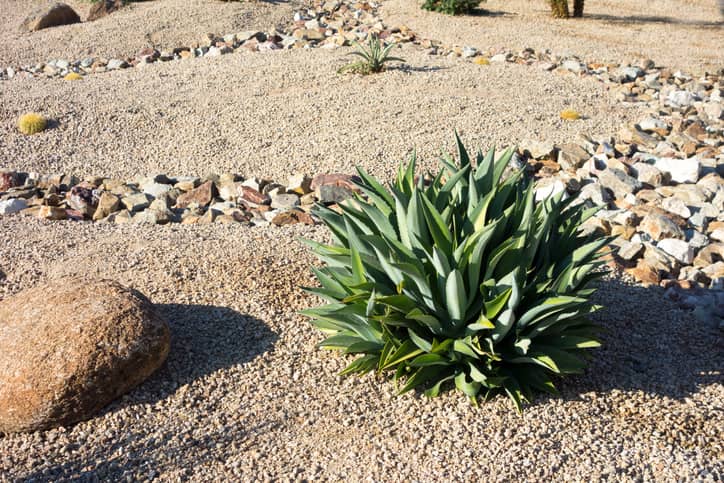
Benefits of Using Sand and Gravel in Landscaping
Switching to sand and gravel landscaping offers numerous advantages for your wallet and the environment. These include:
- Low Maintenance: Unlike turfgrass, gravel doesn’t require mowing, watering, fertilizing, or frequent weeding.
- Water Conservation: Using gravel landscapes is an excellent way to practice xeriscaping, significantly reducing your monthly water bill.
- Superior Drainage: Water drains quickly through gravel, preventing puddles, soil erosion, and runoff issues around your home’s foundation.
- Durability and Longevity: Organic mulches decompose and must be replaced yearly. Gravel and sand are incredibly durable, lasting for decades without losing their color or structure.
- Pest and Fire Resistance: Gravel doesn’t attract termites or other wood-boring pests, and it serves as an excellent natural firebreak around your home.
How Can You Use Sand and Gravel in Landscaping?
Using gravel and sand as landscaping offers endless design possibilities. Some popular gravel landscape ideas to inspire your next project include:
- Garden Paths and Walkways: A winding gravel path creates a charming walkway that guides guests through your garden.
- Patios and Seating Areas: Instead of pouring expensive concrete, lay down a pea gravel patio for a cozy, European-style dining space.
- Play Areas and Zen Gardens: The benefits of using sand in landscaping extend to creating safe, soft play zones for children or peaceful, raked Zen gardens for meditation.
- Driveways and Borders: Heavy-duty gravel is ideal for durable driveways, while decorative gravel is perfect for bordering flowerbeds and tree bases.
How to Choose the Right Sand or Gravel for Landscaping
Selecting the right materials depends on your project’s functional and aesthetic needs. Some common decorative gravel types and sand options include:
- Pea Gravel: Smooth, rounded, pea-sized stones that are comfortable to walk on, making them ideal for patios, dog runs, and play areas.
- Crushed Stone: Angular and jagged, these rocks lock together when compacted, making them perfect for driveways and high-traffic walkways.
- River Rock: Larger, water-smoothed stones that work beautifully in dry creek beds, water features, and drainage channels.
- Decomposed Granite (DG): A fine, sandy gravel that packs down tightly, offering a natural rustic look for paths and patios.
- Play Sand vs. Masonry Sand: Play sand is washed and rounded for recreation, while masonry sand is finer and works well for leveling pavers or creating pristine garden borders.
How to Use Sand and Gravel in a Landscape
Proper installation is key to ensuring your new landscape looks great and lasts for years. Follow these basic steps:
- Plan and Excavate: Mark out the area and dig down about two to four inches, depending on the size of the gravel you’re using.
- Clear the Soil: Remove any weeds, grass, and large roots from the excavated area.
- Lay Landscape Fabric: Always lay down a heavy-duty geotextile weed barrier. This prevents weeds from pushing through while still allowing water to drain into the soil.
- Install Edging: Secure plastic, metal, wood, or stone borders around the perimeter to keep the sand or gravel from migrating into your lawn.
- Spread and Level: Pour your chosen material, and use a rake to distribute it evenly.
How to Maintain Sand and Gravel Landscape
While sand and gravel are incredibly low maintenance, they require a little bit of upkeep to stay looking pristine. Maintaining a sand and gravel landscape includes:
- Weeding: Even with landscape fabric, windblown seeds can occasionally sprout in the gravel. Pull them quickly by hand or use an eco-friendly weed killer.
- Debris Removal: Use a leaf blower on a low setting or a plastic rake to clear fallen leaves, twigs, and grass clippings off your gravel.
- Raking and Leveling: Over time, high-traffic areas may develop dips. Periodically rake the gravel to redistribute it evenly.
- Replenishing: Every few years, add a thin top layer of fresh gravel to restore the vibrant color and depth of your landscape.
When Should You Hire a Landscaping Professional?
When you’re tackling a major grading and drainage project with water for redirection, it’s best to hire a landscaping professional. We also recommend hiring our team when you need a large-scale excavation with heavy machinery to move tons of earth and stone. Any time you have structures that require engineering to hold back soil safely, you need a trained professional.
Frequently Asked Questions
Is Gravel Cheaper Than Concrete or Grass?
Yes, gravel is significantly cheaper to install than concrete or pavers. While grass seed is cheap initially, the long-term costs of watering, mowing, and fertilizing make gravel much more cost-effective over time.
How Do I Stop Gravel From Sinking Into the Dirt?
Using a high-quality landscape fabric between the soil and the gravel is the best way to prevent the stones from sinking into the ground.
Can You Grow Plants in a Gravel Landscape?
Absolutely! You can cut holes in the landscape fabric to plant drought-tolerant ornamental grasses, succulents, and perennials directly into the soil, using the gravel as a beautiful, drainage-promoting mulch.
Transform Your Yard Today
GreyStone Landscape Products is excited to help transform your yard in Ogden, UT. Incorporating sand and gravel into your outdoor design is a smart, beautiful, and sustainable choice. Contact us today to get started.
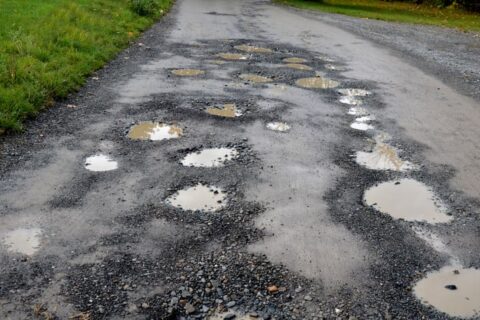
A gravel driveway offers classic curb appeal, excellent drainage, and a budget-friendly alternative to asphalt or concrete. The problem is that it…
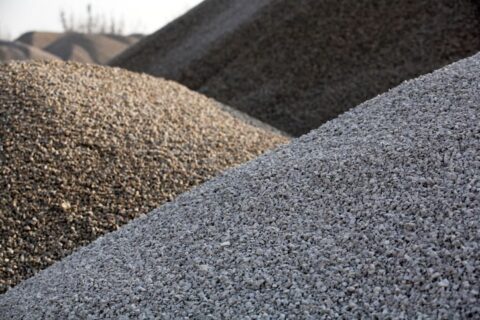
The quality of your materials can significantly impact the outcome of your home improvement or construction project. Choosing the right sand and…