
Everything You Need to Know About Mulch and Its Importance
Discover the Benefits of Mulching Your Garden and Trees
Mulch is an essential landscaping material for nearly any project. It helps to protect your landscape and helps keep your garden looking stunning all season long. Whether you’re a homeowner or a landscaping company, understanding the benefits of mulching is essential for the success of your project and the health of your landscapes. At GreyStone Landscape Products, we’ve created a comprehensive mulching guide to help you better understand your options and features, ensuring you select the right mulch for your project. Have any questions or need to schedule your product delivery or pickup? Contact us today.
What Is Mulch?
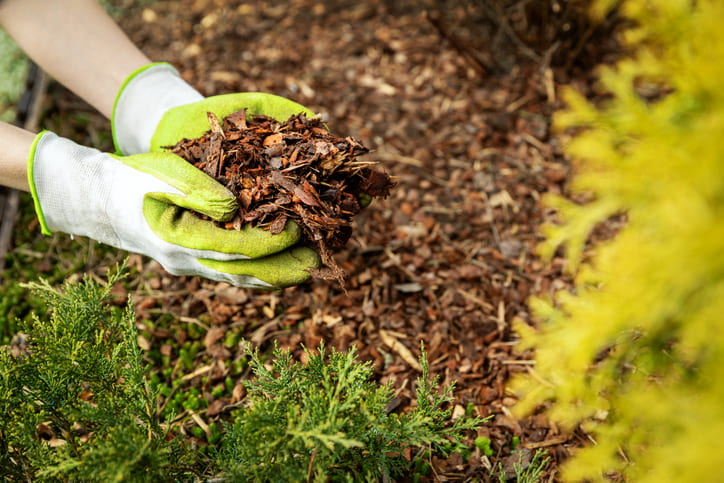
Mulch is an organic or inorganic landscaping material spread over the soil surface to improve the soil beneath. It’s often used around trees, shrubs, and flower beds to help retain soil and snuff out weeds. Organic mulch includes natural materials like wood chips, bark, straw, and shredded leaves that break down over time and feed the soil. Inorganic mulch includes things like rubber, gravel, and landscape fabric, which last longer but don’t add nutrients. Most homeowners choose organic options for everyday garden use.
Why Mulch Is Important for Healthy Landscapes
Healthy plants start with healthy soil, and mulch plays a big role in keeping that soil in great shape, especially in climates with extreme heat and freezing cold. These benefits of mulching add up to less maintenance and better-looking gardens with far less effort.
- Protection – Mulch shields roots from extreme summer heat and helps insulate them during the coldest days of winter.
- Preservation – It also reduces how often you need to water your plants by slowing evaporation and retaining moisture in the soil. Eco-conscious homeowners love mulch because it helps them lower their water bills and makes their gardens drought-resistant.
- Presentation – On top of that, it suppresses weeds, prevents soil erosion, and gives your beds a clean, finished look.
Types of Mulch You Can Use In Your Garden
There are numerous types of mulch you can use for your garden. Which one you choose is entirely up to your personal preferences, budget, and the types of plants you have. Unsure which one is right for your home? Let our team help. We can recommend the right choice based on your project. Some of the most popular mulch types include the following:
- Shredded Bark
- Wood Chips
- Straw
- Compost
- Colored Mulch
- Gravel or Stone
Organic vs Colored Mulch: Which Is Right for Me?
One common question we hear is about organic mulch vs colored mulch. Both have their place, so it really comes down to what you want. Organic mulch, like natural bark or wood chips, breaks down over time and improves your soil as it does. The trade-off is that you’ll need to refresh it more often. Colored mulch, on the other hand, holds its rich tone for a full season and gives beds a polished, consistent appearance. It breaks down more slowly, but it adds fewer nutrients to the soil. If you care most about curb appeal, colored mulch is a great pick. However, we recommend natural mulch for homeowners who are more concerned with soil health.
Common Mistakes You Should Avoid When Mulching
Mulching is relatively simple. However, for DIY-enthusiasts, there are a few mistakes you should avoid to ensure your mulch helps to create a healthy and stunning landscape:
- Piling Mulch Against Trunks – When you pile mulch up against the trunk, creating a mulch volcano, you’re trapping moisture against the bark, which can cause rot.
- Applying too Much or Not Enough – A layer thicker than 3 to 4 inches can suffocate roots and block water. However, a thin layer won’t suppress weeds or hold moisture effectively.
- Forgetting to Weed First – Mulch helps suppress new weed growth. However, it can’t stop existing weeds from growing.
Mulch FAQ
When’s the Best Time to Apply Mulch?
For most gardens, mid to late spring is the ideal time to mulch. The soil has warmed up, and a fresh layer helps lock in moisture before the summer heat arrives. You can also apply mulch in the fall to insulate roots ahead of winter.
How Much Mulch Do I Need?
The standard layer is 2 to 4 inches deep. To determine how much you’ll need for your project, use our materials calculator.
Can I Put Fresh Mulch On Top of Old Mulch?
Yes, you can put fresh mulch over old mulch. However, you’ll need to avoid creating a mulch layer more than 2 inches thick. If the old mulch is compacted or has mold, you’ll need to remove it first.
Transform Your Landscapes With Mulch for Flower Beds and Trees
Mulch is one of the most effective and affordable ways to protect your plants and create a stunning yard. When you’re ready to get started on your garden mulching project, we’re here to help. As your local landscaping mulching supplier, we offer a wide range of mulch options and fast mulch delivery right to your property. Contact our team today to schedule your delivery or to learn more about our mulch option.