
Why Your Gravel Driveway Develops Potholes
A gravel driveway offers classic curb appeal, excellent drainage, and a budget-friendly alternative to asphalt or concrete. The problem is that it also comes with a unique set of maintenance challenges. One day, your driveway is smooth and pristine, and the next, it looks like a lunar landscape. Understanding why potholes in gravel driveways form is the first step toward reclaiming a smooth ride. In this guide, we explore the science behind these pesky craters, why temporary fixes always seem to fail, and how to repair and prevent them permanently.
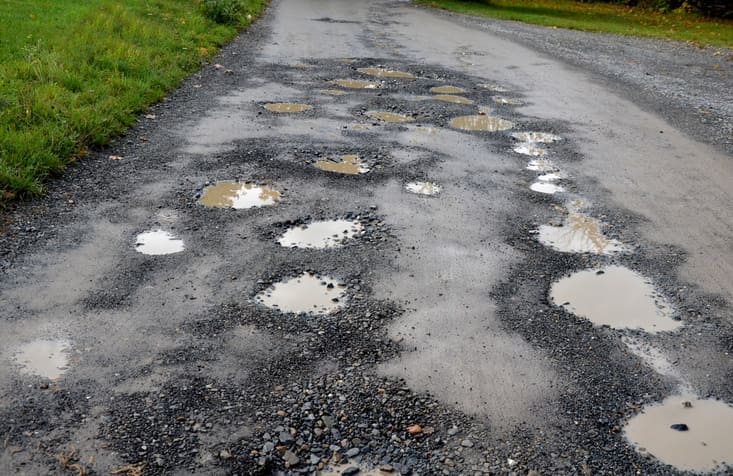
What Causes Potholes in a Gravel Driveway?
Potholes are the result of a combination of water, traffic, and poor structural support. The most common causes of potholes in a driveway include:
- Water Accumulation: Water is the ultimate enemy of any driveway. When rainwater cannot drain away from the surface, it pools in small depressions.
- Traffic Stress: As vehicles drive over these wet spots, the weight of the tires forces water downward, displacing the surrounding gravel and weakening the underlying soil.
- Subgrade Erosion: Over time, the structural integrity of the dirt foundation beneath the gravel breaks down, creating a soft void that collapses into a pothole.
Why Do Gravel Driveway Potholes Keep Coming Back?
If you’ve tried simply scraping loose gravel from the sides of a pothole to fill it in, you know the frustration of seeing the exact same hole reappear after the next heavy rain. This happens because of the pothole’s memory. The soil underneath the hole has been compacted and structurally compromised. When you merely rake loose rocks into the depression, you’re filling a hard, bowl-shaped crater with loose, uncompacted material. The moment a car drives over it or rain falls, the loose gravel easily washes away or shifts, exposing the original dip underneath.
How to Fix Potholes in a Gravel Driveway
To eliminate a pothole for good, it’s vital to properly repair it. We recommend the following steps:
- Clear and Dig Out: Don’t just fill the hole. Use a shovel to dig out the pothole, removing any dirt, debris, or weeds. Dig slightly deeper than the bottom of the hole to ensure you reach a stable base.
- Fill With Coarse Gravel: Fill the bottom of the hole with coarse, angular crushing stone. Angular stones lock together under pressure, unlike rounded pea gravel.
- Compact the Base: Pack this layer down firmly using a hand tamper or the tire of a heavy vehicle.
- Add the Top Layer: Fill the remainder of the hole with smaller gravel blended with stone dust. This mixture binds together to seal out water.
- Overfill and Tamp: Mound the final layer slightly higher than the surrounding driveway to allow for settling, and tamp it down thoroughly.
How to Prevent Potholes in a Gravel Driveway
Prevention is much easier than constant repair for gravel driveways. You can minimize future damage by focusing on three key areas:
- Create a Crown: Your driveway should have a crown, a center point that is slightly higher than the shoulders. This slope encourages water to shed off to the sides rather than pooling in the middle.
- Improve Drainage: Install ditches, French drains, or swales alongside your driveway to channel water away from the driveway’s foundation.
- Use Geotextile Fabric: If you’re building or resurfacing a driveway, lay down a stabilizing geotextile fabric between the soil subgrade and your gravel layers. This prevents the gravel from sinking into the soft dirt beneath.
How Often Should a Gravel Driveway Be Maintained?
A gravel driveway is not a “set-it-and-forget-it” feature. We recommend light maintenance at least twice a year, ideally in the spring after the ground thaws and in the autumn before the winter freeze. Regular maintenance should include grading the surface to restore the crown, raking stray gravel back into the center path, and addressing minor depressions before they evolve into deep potholes.
When Should You Call a Professional for Gravel Driveway Repair?
While filling a few isolated potholes is a straightforward DIY project, some driveway issues require heavy machinery and professional expertise. You should call a professional if:
- The driveway has widespread, systemic pothole issues.
- The entire driveway has flattened out and lost its crown, requiring a tractor and box blade to reshape.
- Severe erosion or washouts occur after every storm, indicating a major drainage design flaw.
- You need a brand-new layer of gravel delivered and professionally spread.
Frequently Asked Questions
What Is the Best Gravel for a Driveway?
The best material is a mix of angular crushed stone and rock dust (such as crusher run or ¾-inch quarry process). The sharp angles of the stones lock together, while the dust fills the gaps to create a solid, stable surface.
Can I Use Pea Gravel to Fix Potholes?
No. Pea gravel consists of small, rounded stones that roll around like marbles when driven on. It will not compact or lock together, meaning it will wash out of a pothole almost immediately.
How Do I Stop Weeds From Growing in My Gravel Driveway?
Regular grading and compaction help prevent weed seeds from taking root. For existing weeds, spot-treat with a commercial herbicide, agricultural vinegar, or a salt-and-water solution.
Bring Your Driveway Back to Life
GreyStone Landscape Products is here to help with all your gravel needs in Ogden, UT. Whether you need a fresh load of high-quality crusher run, professional grading services, or advice on the best drainage solutions for your land, you can lean on us. Don’t let poor drainage and low-quality aggregate ruin your property’s curb appeal and damage your vehicles. Contact us today to learn more.
When designing a beautiful yard, homeowners often default to traditional green lawns, wooden decks, and flowerbeds. Incorporating hardscaping…
The quality of your materials can significantly impact the outcome of your home improvement or construction project. Choosing the right sand and…