
How to Choose the Correct Size for Landscape Rock?
How to Choose the Right Landscape Rock Size for Your Project
Selecting the correct size landscaping rock for your project is often overlooked. However, it can affect the appearance, maintenance requirements, and longevity of your hardscape project. Whether you’re an Ogden-area homeowner tackling a landscaping project or a professional landscaper choosing materials for your client, the rock size matters. Our skilled, experienced team of professionals is here to help you understand the best uses for each size, as well as the mistakes to avoid, so you can realize the full potential of your landscape project. Learn more, then schedule a self-pick-up or delivery.
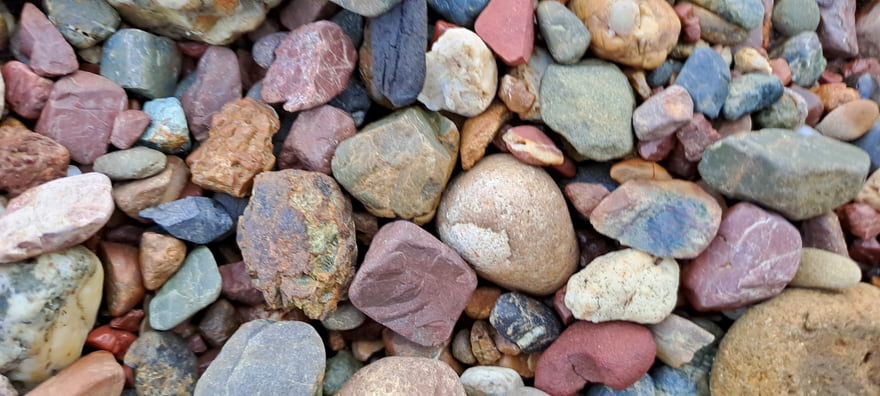
Why Landscape Rock Size Matters
Rock size affects everything from drainage and durability to how a space looks and feels underfoot. The right size keeps water flowing where it should, holds up under foot traffic or vehicle weight, and gives your yard a clean, finished look. The wrong size, on the other hand, can lead to a variety of issues. Stones that are too large can overwhelm the area, leading to an incoherent landscape design. Smaller rocks in high-traffic areas can easily get kicked around, requiring a lot of extra work to maintain. In areas of your property that get a lot of water, the rock size for landscaping can actually prevent proper drainage, leading to water pooling.
Crushed Stone Sizes Explained
There is a wide range of decorative landscaping rocks in different sizes. Knowing which one to use will ensure your project’s success. We carry a wide range of different-sized decorative landscaping rocks:
- Small Rock – Landscaping rocks that are ¼” to ½” are great for fire pit surrounds, mulch for garden beds, and filling gaps between stepping stones.
- Medium Rock – Rocks between ¾” and 1″ are versatile, all-purpose stones that can be used for walkways, driveways, patios, and more.
- Large Rock – 1″ to 3″ rock is ideal for drainage and decorative borders around your flower beds.
- Boulders – Boulders create bold accents and aid erosion control.
Choosing the Best Landscape Rock Based on the Project
Preparation is critical before getting started on your landscaping project. Using the right size stone will ensure you’re not stuck spending time fixing the issue months or weeks after the project is complete. Here’s a quick reference for which size stone to use for your project:
- Walkways and Paths – Stick with ¾” to 1″ stones for walkways and paths. They are more comfortable underfoot and less likely to be kicked around while walking.
- Flower Beds and Ground Cover – ¼” to ½” can be used to fill gaps and serve as an alternative to mulch in your flower gardens.
- Drainage Needs – Larger, 1″ or 2″ stones let water move freely, making them ideal for downspouts and swales.
- Decorative Accents – You can use nearly any kind of stone for decorative accents. Choosing the right one depends on what you want to accomplish with your project.
How Rock Shape Affects Performance
The rock’s size isn’t the only factor that can affect its performance. Shape makes a big impact, too. Crushed rock has angular edges that lock together, making it perfect for paths and driveways that require stability. Conversely, rounded river rocks shift more easily underfoot, making them better suited for decorative beds and drainage features.
Common Mistakes When Choosing Rock Size
There are a few common mistakes DIY-ers and professionals make that can completely derail your hardscape project. Avoiding these mistakes will ensure your landscaping project looks fantastic and lasts:
- Uneven Pathways – Selecting stones that are too large or inconsistently shaped for a walking surface can create tripping hazards and an uncomfortable, unstable path.
- Difficult Maintenance – Using very small gravel in areas with heavy leaf fall makes it nearly impossible to use a leaf blower or rake without displacing the entire rock bed.
- Incoherent Sizing – Mixing dramatically different stone scales without a clear design plan can make a landscape look cluttered and unintentional rather than professionally curated.
Landscaping Rock Coverage Guide FAQ
What are Some Pro Tips for Choosing the Right Rock Size?
Some tips to help make your project a success include ordering about 10% more material than you need to account for settling and waste.
How Deep Should Landscape Rock Be?
Depth depends on the project. As a general rule:
- Pathways – 2″ to 3″ deep
- Flower Beds and Ground Cover – 2 to 3″ over landscape fabric
- Driveways – 4″ to 6″
- Drainage Trenches – Fill to the depth needed for proper water flow
What’s the Difference Between Crushed Rock and River Rock?
Crushed rock has angular edges that lock together for stability, making it ideal for paths and driveways. River rock is smooth and rounded, which makes it well-suited for decorative beds and drainage.
Finding the Right Landscape Rock Sizes Is Essential for Your Project
The right landscape rock size helps to create a functional, cohesive, and low-maintenance project for your home. Whether you’re laying a new path, refreshing flower beds, or solving drainage issues, the right material makes all the difference. Are you beginning a new project? Stop by our supply yard today or browse our site for a wide selection of premium decorative landscape rocks, then schedule your pickup or delivery. We can help you determine how much you’ll need to get your project off to a solid start.
Three Ways Fresh Top Soil Revives Your Flower Beds
After a few years, your flower beds can begin to look dull as the soil is stripped of nutrients.…
Gravel Types to Transform Your Landscaping
Home and business owners searching for an affordable, low-maintenance option for exterior landscapes…